
Physical Education
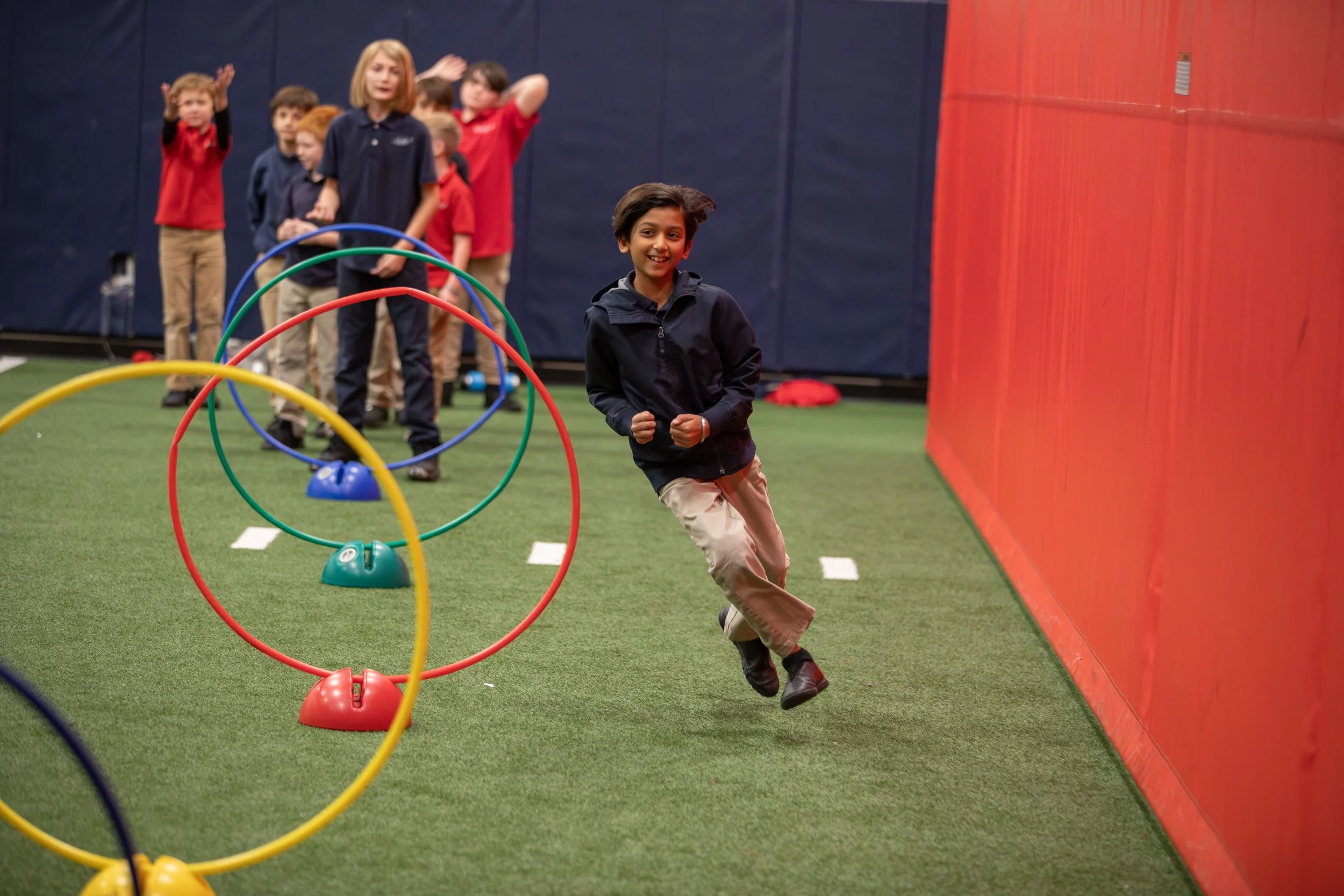
At Excalibur Classical Academy, our Physical Education program is shaped by the Kennedy-era vision of fitness as formation, not mere recreation. Inspired by President John F. Kennedy’s conviction that physical strength undergirds moral courage, discipline, and leadership, Classical Physical Education trains the body with purpose and order. In addition to 20 minutes of daily, unstructured play time, scholars will engage in 55 minutes of structured, age-appropriate activities such as calisthenics, basic gymnastics, running, jumping, throwing, balance work, posture training, rhythmic movement, and organized games. These exercises develop strength, endurance, coordination, and flexibility while also cultivating perseverance, self-control, attentiveness, and respect for authority. Progress is intentional and measurable, reinforcing habits of effort and improvement. In keeping with the classical tradition, our program recognizes the body as a vital instrument of service and virtue, forming scholars who are not only healthy and capable, but prepared for the responsibilities of a well-lived life.
Purpose-driven physical training
Physical fitness is essential to national strength, leadership, and character. PE was meant to prepare students for the demands of life—work, service, and citizenship—not just burn energy.
Foundational fitness skills
The curriculum focuses on measurable, universal capacities such as:
Strength (push-ups, pull-ups, calisthenics)
Endurance (running, distance walking)
Agility and coordination
Flexibility
Posture and body control
Calisthenics and gymnastics over sports specialization
Rather than early specialization in competitive sports, Kennedy promoted bodyweight exercises, basic gymnastics, and conditioning that every child could perform. Sports were secondary to overall fitness.
Structured and disciplined instruction
Classes were orderly, teacher-led, and progressive. Scholars learned correct form, followed commands, and worked toward improvement and mastery—mirroring military and classical training models.
Fitness as character formation
Kennedy tied physical fitness to self-discipline, perseverance, courage, and responsibility. The body was trained to support moral and intellectual excellence.
Objective standards and accountability
This era introduced fitness testing (what later became the Presidential Physical Fitness Test), reinforcing the idea that physical education should have clear goals and standards, not subjective participation alone.
We treat PE as serious formation of the body, aligned with virtue, service, and leadership—an approach that fits naturally with classical education models, especially for elementary-aged children when adapted with age-appropriate activities and encouragement rather than pressure.