Academics
“Educating the mind without educating the heart is no education" - Aristotle
The American Classical Lyceum is a liberty-based education that leads a scholar to servant leadership through the pursuit of truth and the development of virtue and wisdom.
It is Excalibur Classical Academy’s unique model of education, formed after the education that produced the great servant leaders who founded our great nation.
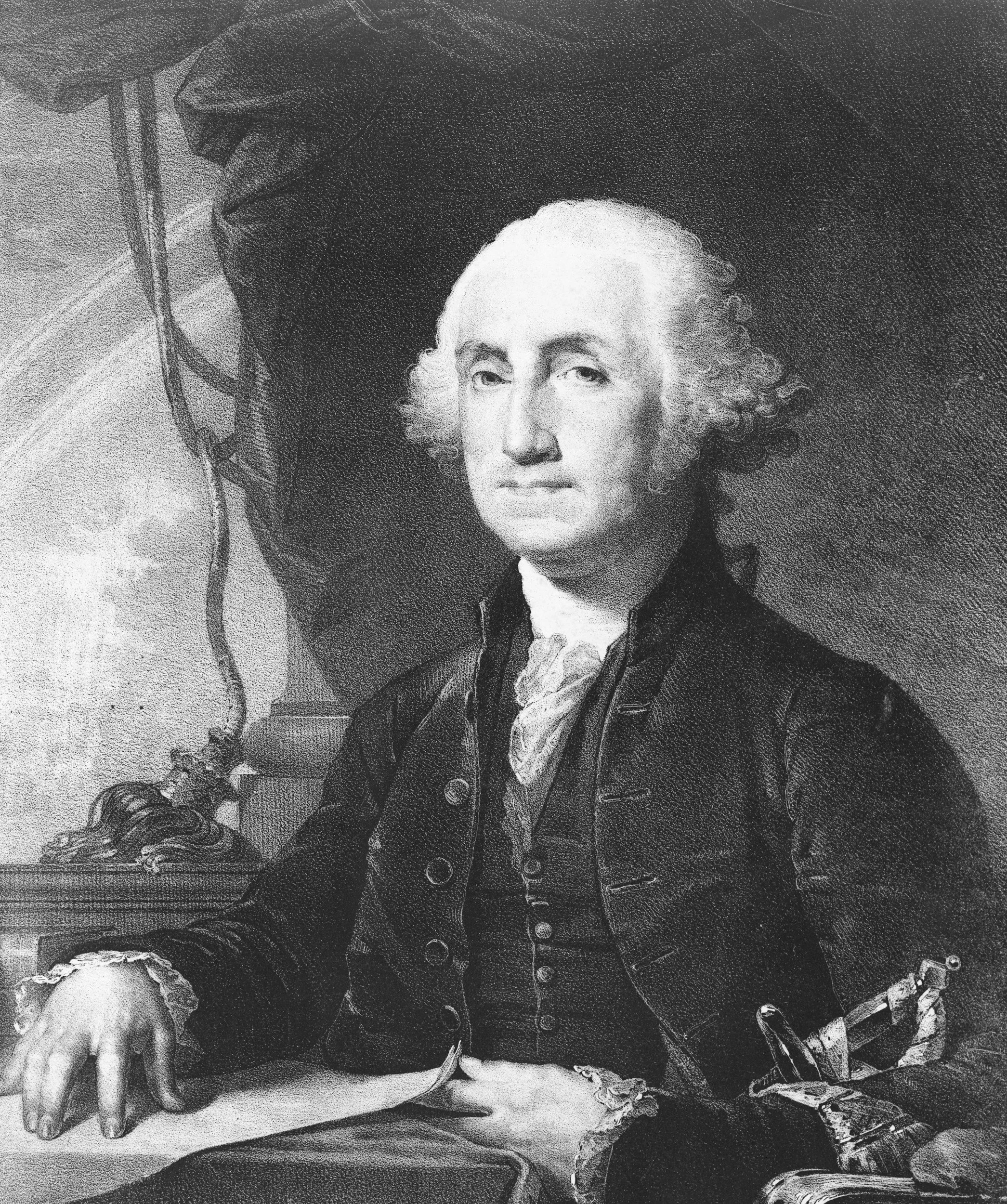
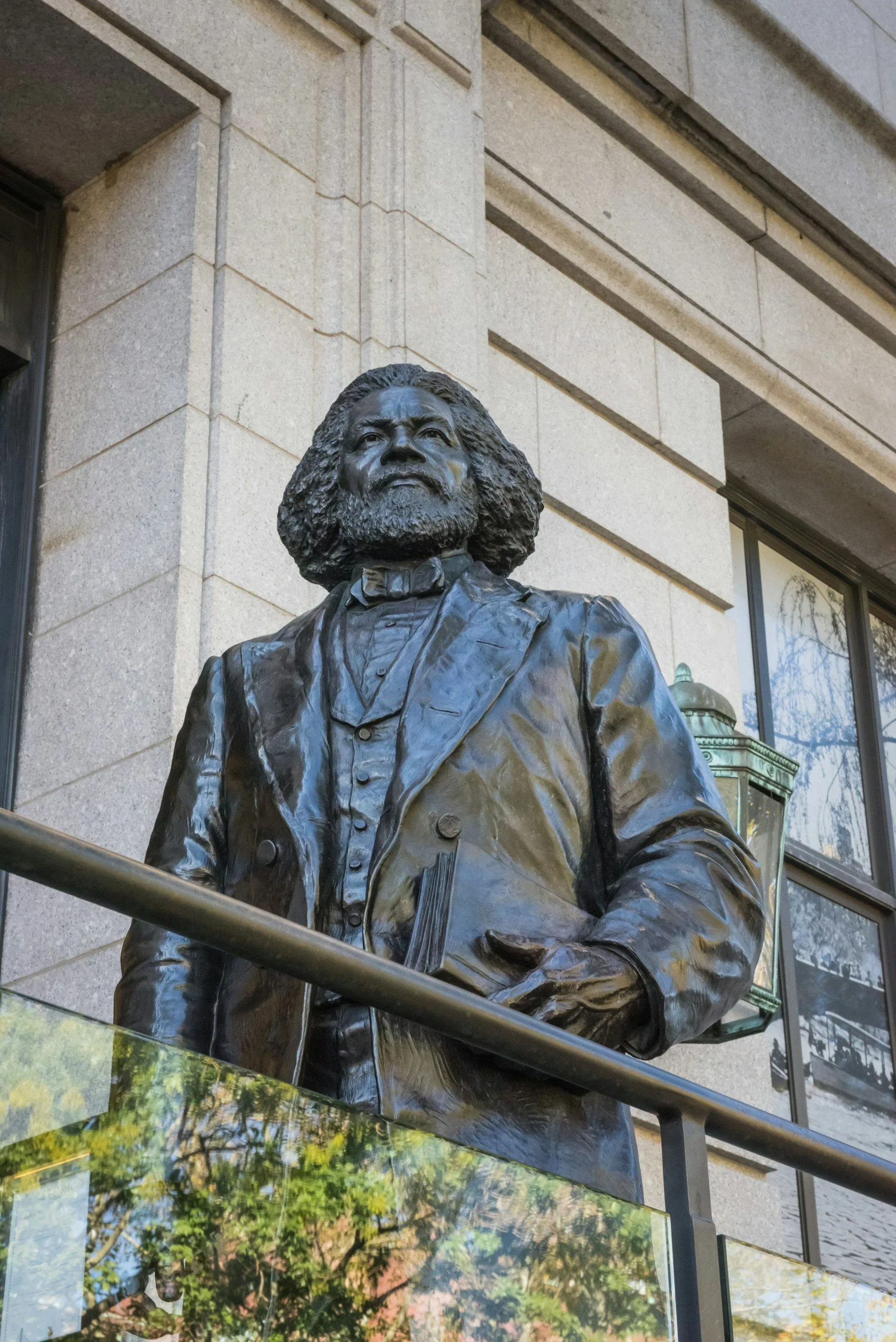
To understand the model, one must first look at what it was about America that produced such great servant leaders. Some leaders had formal classical educations—Adams, Jefferson, and Madison. Some did not. Some were self-educated. George Washington independently read the books his brother sent back from England. Fredrick Douglass fought for his own education, which ultimately led to his liberation from slavery. Benjamin Franklin was self-taught as a young apprentice, giving up eating meat in order to afford the purchase of books. Abigail Adams had no formal education but learned from the classics in her family library. She was articulate, astute, and had a keen political mind. But what they all had in common was they were all rooted in liberty and engaged the liberal arts through the classics and mentors, which prepared them for servant leadership.
Classical Curriculumn
Excalibur Classical Academy follows the American Classical Lyceum model, a proven classical education framework developed by the John Adams Academy. This curriculum is built on four pillars: the classics, the liberal arts, the art of mentoring, and core values.
Our approach rejects the modern tendency to reduce education to test preparation or vocational training. Instead, we offer a content-rich, rigorous curriculum that equips scholars to think independently, communicate persuasively, and engage meaningfully with the world.
Grammar Stage
Young minds absorb facts, stories, and patterns. Scholars are immersed in history, literature, science, mathematics, Latin, music, and art through systematic instruction.
Logic Stage
Scholars learn to analyze, question, and reason. Formal logic, Socratic discussion, and analytical writing become central to the program.
Rhetoric Stage
Scholars articulate and defend ideas with eloquence. They write extensively, engage in debate, and produce a senior thesis demonstrating mastery.
It is through the classics that a scholar engages in the Great Conversation, the dialogue that stretches across millennia and asks the most enduring questions of human existence.
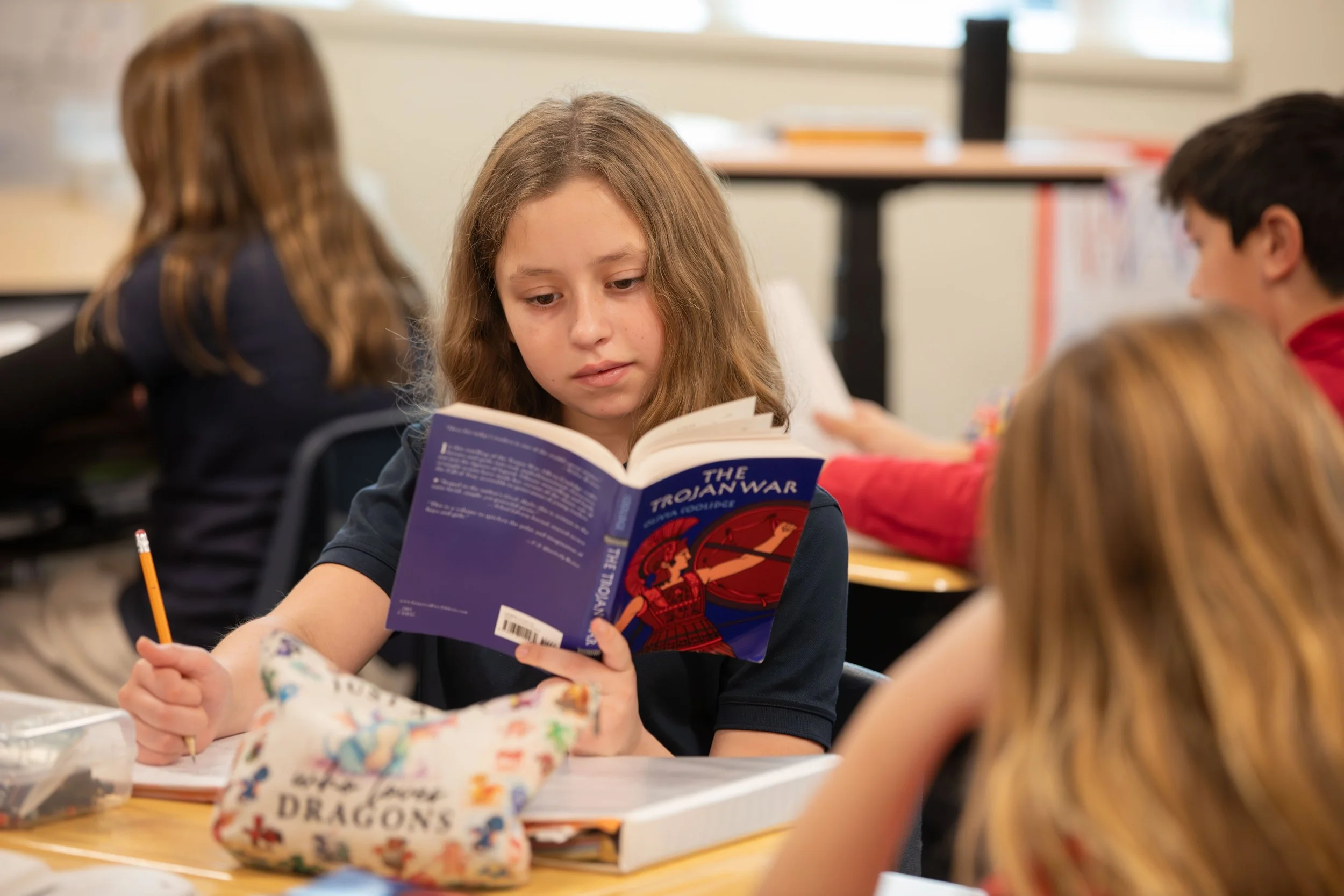
At Excalibur, scholars do not merely read about great books. They read the books themselves, wrestle with their arguments, and enter the conversation as active participants.
The Classics
At Excalibur, we do not view the teacher as a mere facilitator. Our mentors are subject-matter experts who bring genuine passion, high expectations, and a deep commitment to each student's growth.
How Mentoring Works:
Socratic Method: Mentors lead scholars through texts and ideas using questions rather than lectures alone, developing capacity for independent thought.
Junto Sessions: Inspired by Benjamin Franklin, our faculty gather regularly to analyze texts together using Socratic methods, continually sharpening their own thinking.
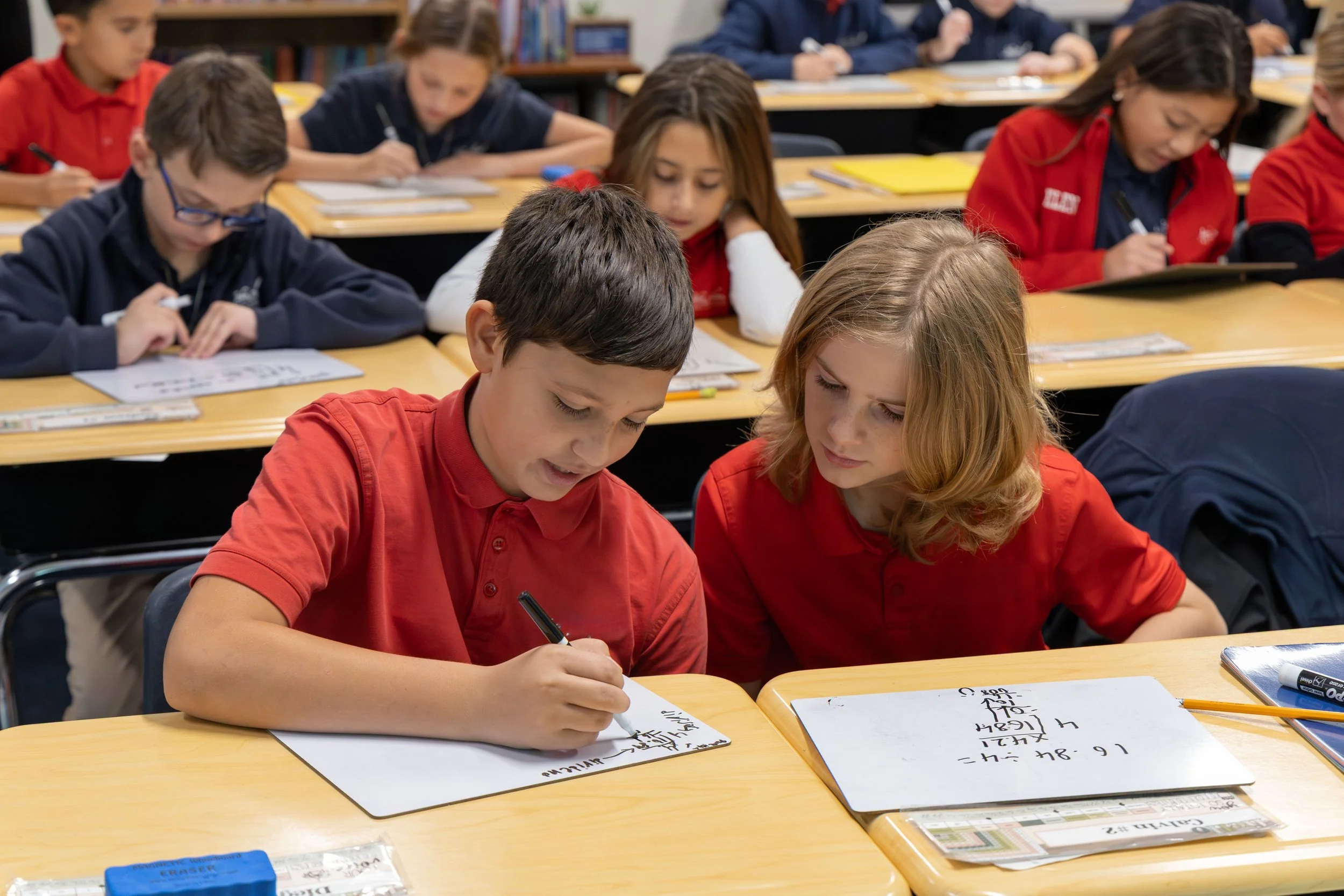
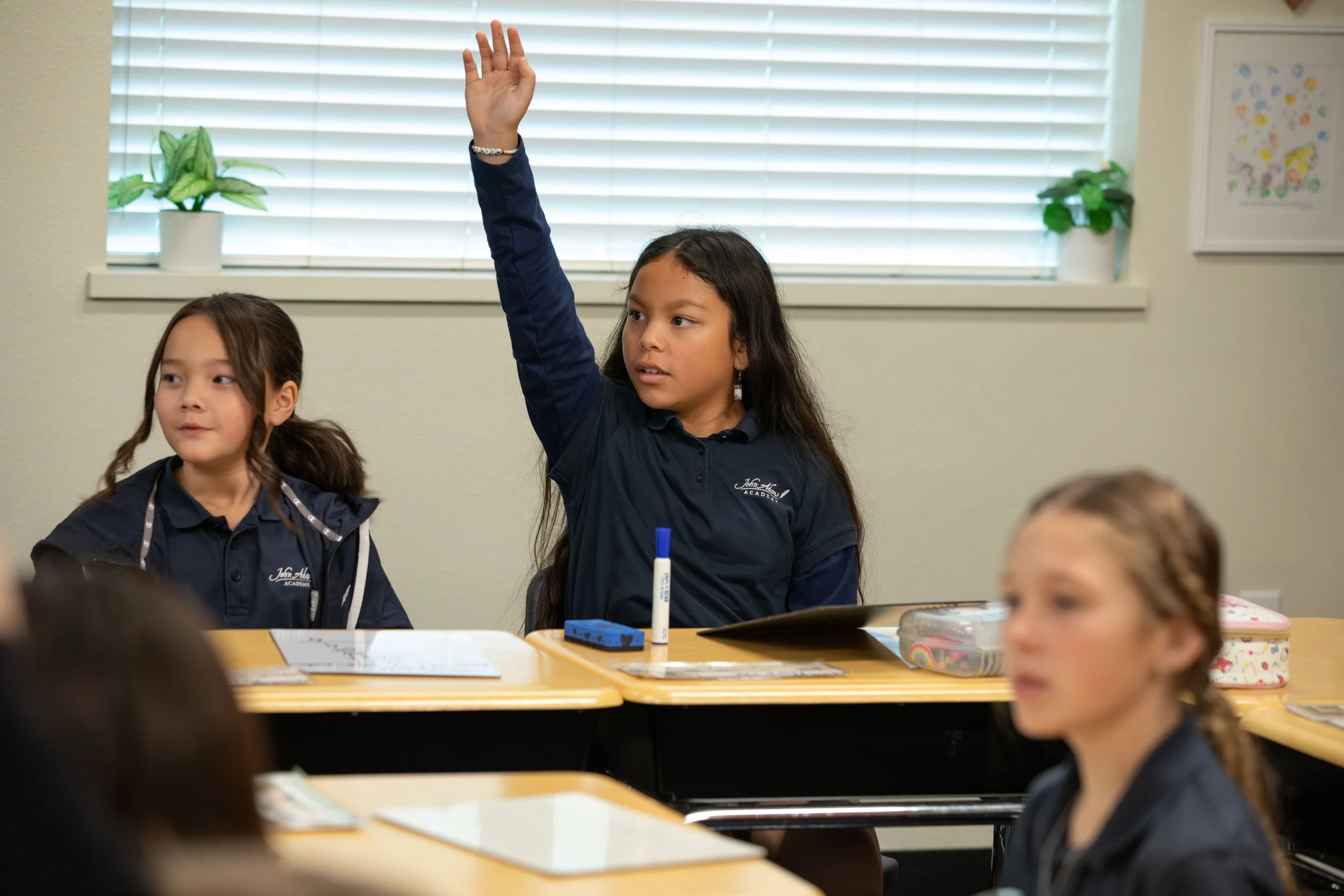
Individual Attention: With class sizes of 10-20 scholars, mentors know each student personally and tailor guidance to their strengths, struggles, and potential.
Character Formation: Mentors model the virtues they teach, holding themselves to the same standards of courage, justice, prudence, and integrity they expect of scholars.
The Art of Mentoring
The liberal arts are the arts a scholar cultivates to become liberated from ignorance and ennobled to virtuous and dignified thinking and acting. They are also the arts of a free society.
The Trivium - Arts of Language:
Grammar - The art of using language correctly and precisely
Logic - The art of reasoning well and detecting error
Rhetoric - The art of persuasive and eloquent expression
The Quadrivium - Arts of Number:
Arithmetic - The study of number
Geometry - The study of number in space
Music - The study of number in time
Astronomy - The study of number in space and time
The Liberal Arts
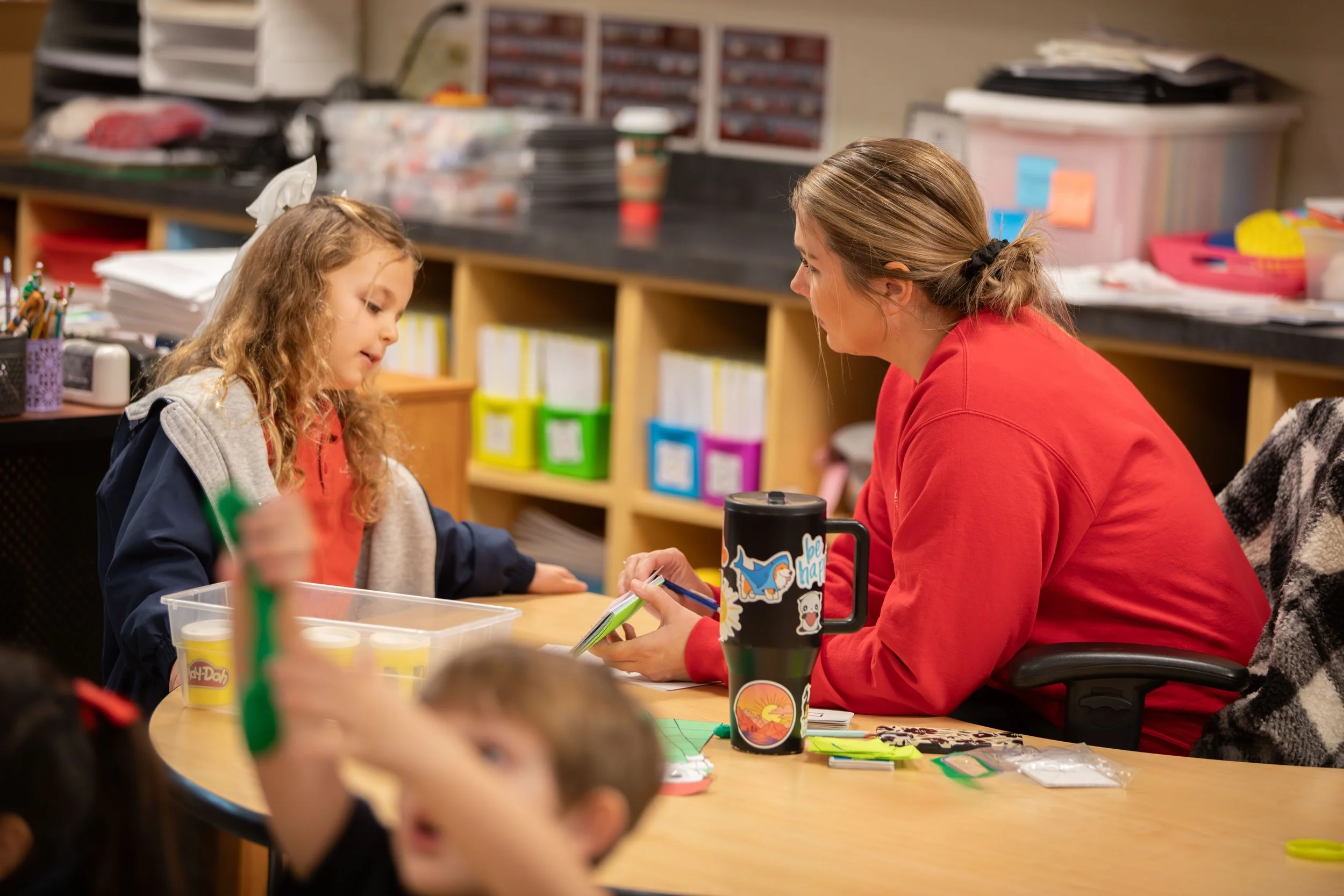
Excalibur Classical Academy maintains a low-technology approach to education. We believe that while technology has its place, it does not belong at the center of a child's learning.
Education's purpose extends far beyond information access. In an era of unlimited digital information, the challenge is not acquiring data but learning to understand, interpret, and use knowledge in virtuous and wise ways.
In the Classroom - Scholars learn through books, writing, discussion, and hands-on exploration. Mentors deliver instruction directly and use physical materials rather than screens.
With Devices - Excalibur maintains strict policies on personal devices during the school day. Social media, gaming, and digital distractions undermine focused attention.
For Administration - We use technology where it serves efficiently: data management, communication with families, and administrative operations.
Technology
History and Geography
At-a-Glance
Kindergarten: First Grade:
World: World:
I. Geography: Spatial Sense I. Geography
II. Overview of the Seven Continents II. Early World Civilizations
American: III. Modern Civilization and Culture: Mexico
I. Geography American:
II. Native American Peoples, Past and Present I. Early People and Civilizations
III. Early Exploration and Settlement II. Early Exploration and Settlement
IV. Presidents, Past and Present III. From Colonies to Independence: The American Revolution
V. Symbols and Figures IV. Early Exploration of American West
V. Symbols and Figures
Second Grade: Third Grade:
World: World:
I. Geography I. World Geography
II. Early Asian Civilizations II. The Ancient Roman Civilization
III. Modern Japanese Civilization III. The Vikings
IV. The Ancient Greek Civilization
American: American:
I. American Government: The Constitution I. The Earliest Americans
II. The War of 1812 II. Early Exploration of North America
III. Westward Expansion III. The Thirteen Colonies: Life and Times Before the Revolution
IV. The Civil War
V. Immigration and Citizenship
VI. Fighting for a Cause
VII. Geography of the Americas
VIII. Symbols and Figures
Programs


Grade Level Scope and Sequence

Click
Kindergarten

Click 1st Grade

Click 2nd Grade

Click 3rd Grade
Click 5th Grade